Animal Profile
Western Rattlesnake
Crotalus oreganus
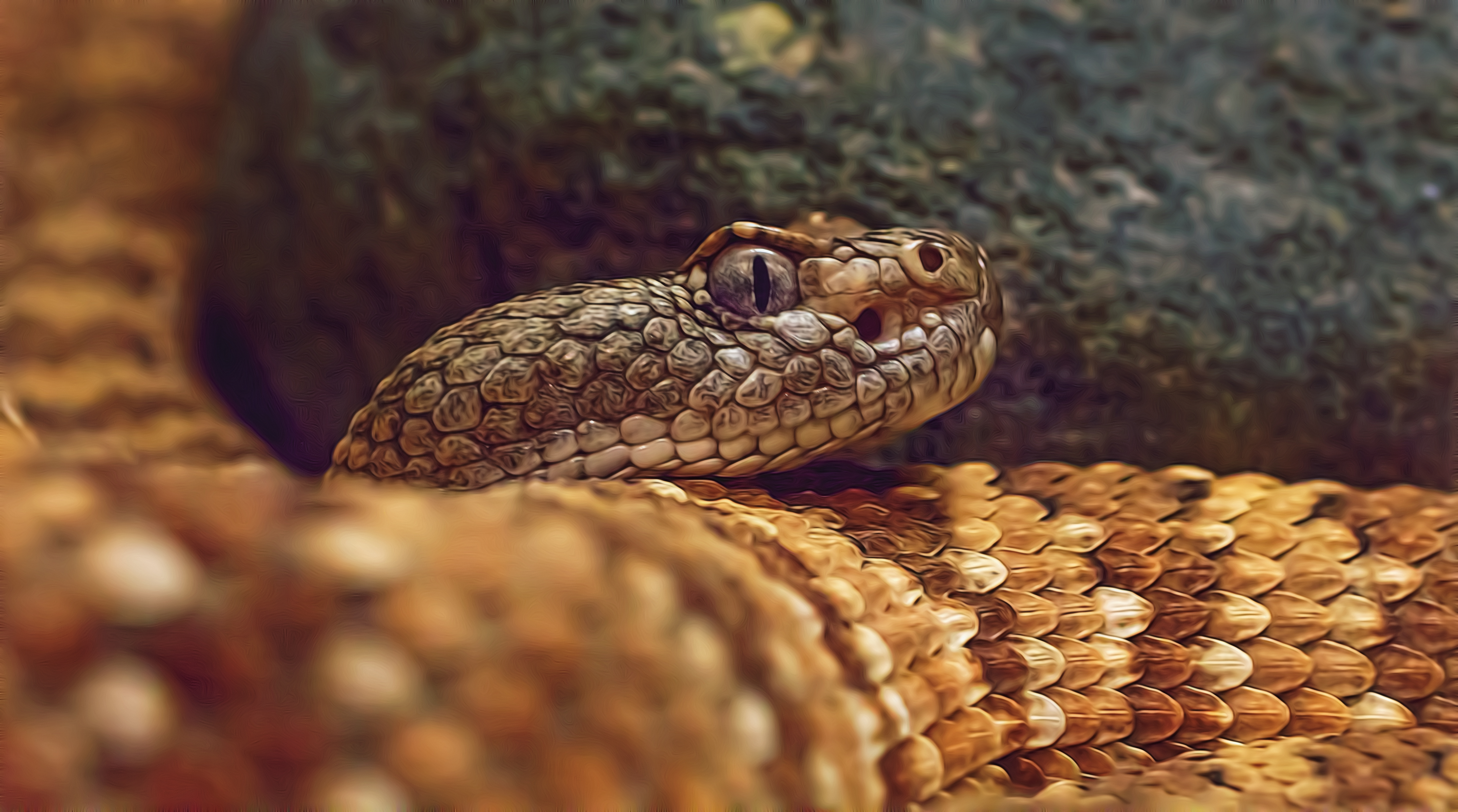
About Western Rattlesnake
The Western Rattlesnake (Crotalus oreganus) is one of the most adaptable reptiles in California, occupying a wide range of ecosystems across the state. It can be found in grasslands, deserts, chaparral, oak woodlands, coastal scrub, and even mountainous forest regions. This adaptability allows it to thrive from sea level up to elevations exceeding 9,000 feet.
In desert environments such as the Mojave Desert, Western Rattlesnakes rely on rocky outcrops, crevices, and burrows to escape extreme daytime heat. In cooler coastal and inland regions, they often inhabit grassy hillsides, wooded areas, and areas with dense brush where they can remain concealed while hunting or avoiding predators.
These snakes are ectothermic (cold-blooded), meaning they depend on external temperatures to regulate their body heat. As a result, their daily and seasonal behavior is closely tied to environmental conditions. During cooler months, they enter a state of brumation (similar to hibernation), often gathering in communal dens located in rock fissures or underground burrows. In warmer months, they are most active during the early morning and evening hours, although in extreme desert heat they may become primarily nocturnal.
Western Rattlesnakes are ambush predators, using camouflage and stillness to blend into their surroundings. Their coloration—typically a mix of browns, grays, and olive tones with darker blotches—helps them remain nearly invisible against soil, rocks, and vegetation. They possess specialized heat-sensing pits located between the eyes and nostrils, allowing them to detect warm-blooded prey even in complete darkness.
Despite their reputation, Western Rattlesnakes play a critical ecological role. They help control populations of rodents and other small mammals, which benefits agriculture and reduces the spread of disease. They are generally not aggressive and will avoid human interaction whenever possible. The distinctive rattle at the end of their tail serves as a warning system, giving potential threats—including humans—a chance to keep their distance.
Overall, the Western Rattlesnake is a key component of California’s ecosystems, demonstrating remarkable adaptability and serving as an important predator in maintaining environmental balance.
Habitat
Rattlesnakes occupy a wide range of habitats including deserts, grasslands, forests, and rocky hillsides.
Fun Fact
They use heat-sensing pits to detect warm-blooded prey even in the dark.