Rehab Entry
A dedicated intake area providing safe and efficient access for wildlife entering CALM Zoo’s care.
Master Plan
Expanding CALM Zoo’s capacity for wildlife rehabilitation, animal care, recovery, and education.
Phase 1
For more than 40 years, CALM Zoo has cared for California’s native wildlife. As the need for wildlife rehabilitation has grown, so has the need for facilities designed specifically for treatment, recovery, and release.
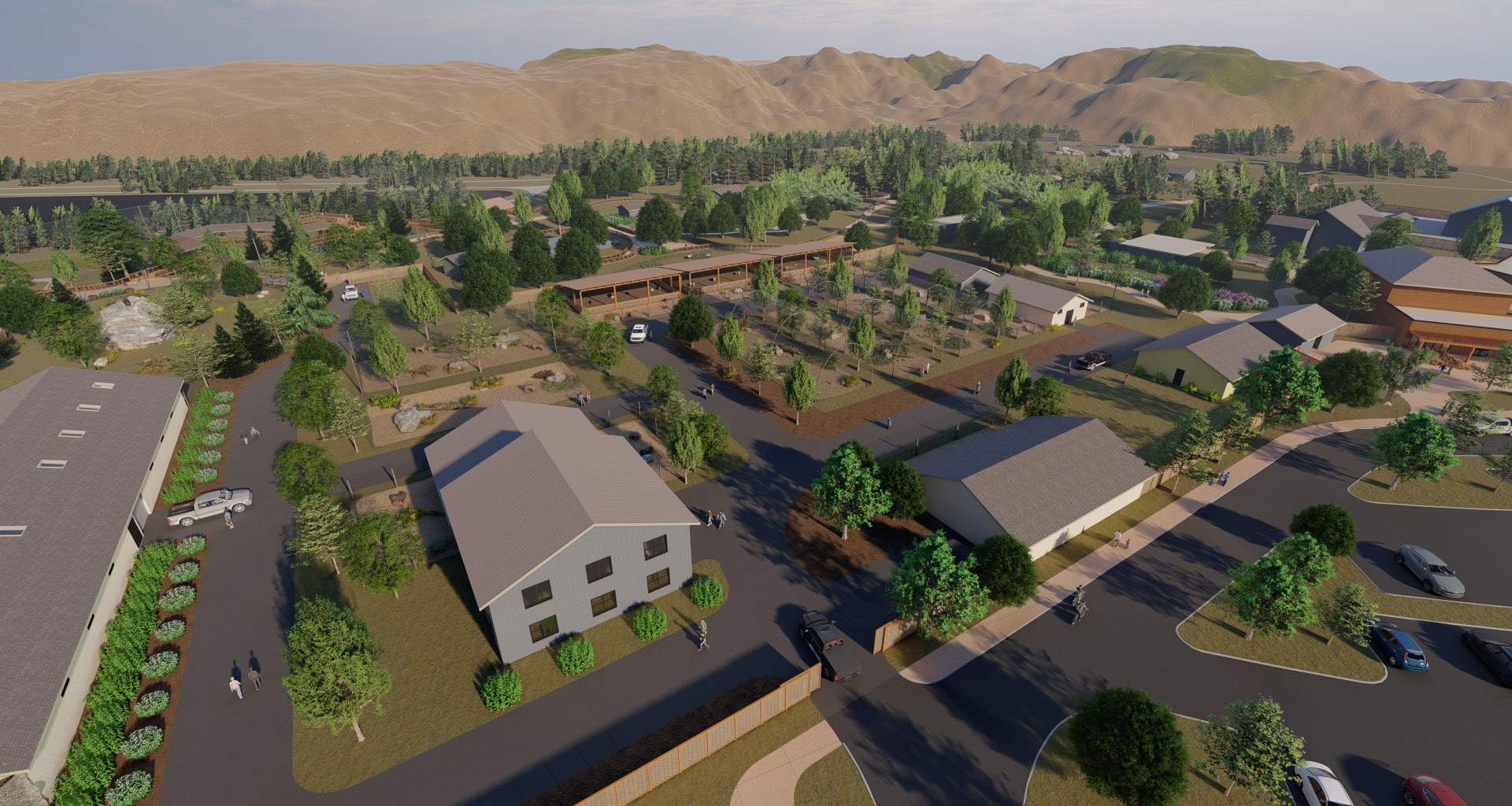
The Rehabilitation & Animal Operations Hub will bring together wildlife care, veterinary support, rehabilitation spaces, animal operations, and visitor education in one coordinated area.
What’s Included
The hub brings together specialized facilities intended to improve wildlife veterinary care, rehabilitation, recovery, animal operations, and educational opportunities for visitors.
A dedicated intake area providing safe and efficient access for wildlife entering CALM Zoo’s care.
A dedicated on-site facility supporting the clinical care and treatment needs of animals in CALM Zoo’s care.
A dedicated rehabilitation space designed to support wildlife treatment, recovery, and preparation for release.
On-site holding facilities supporting the safe and humane care of animals throughout the rehabilitation process.
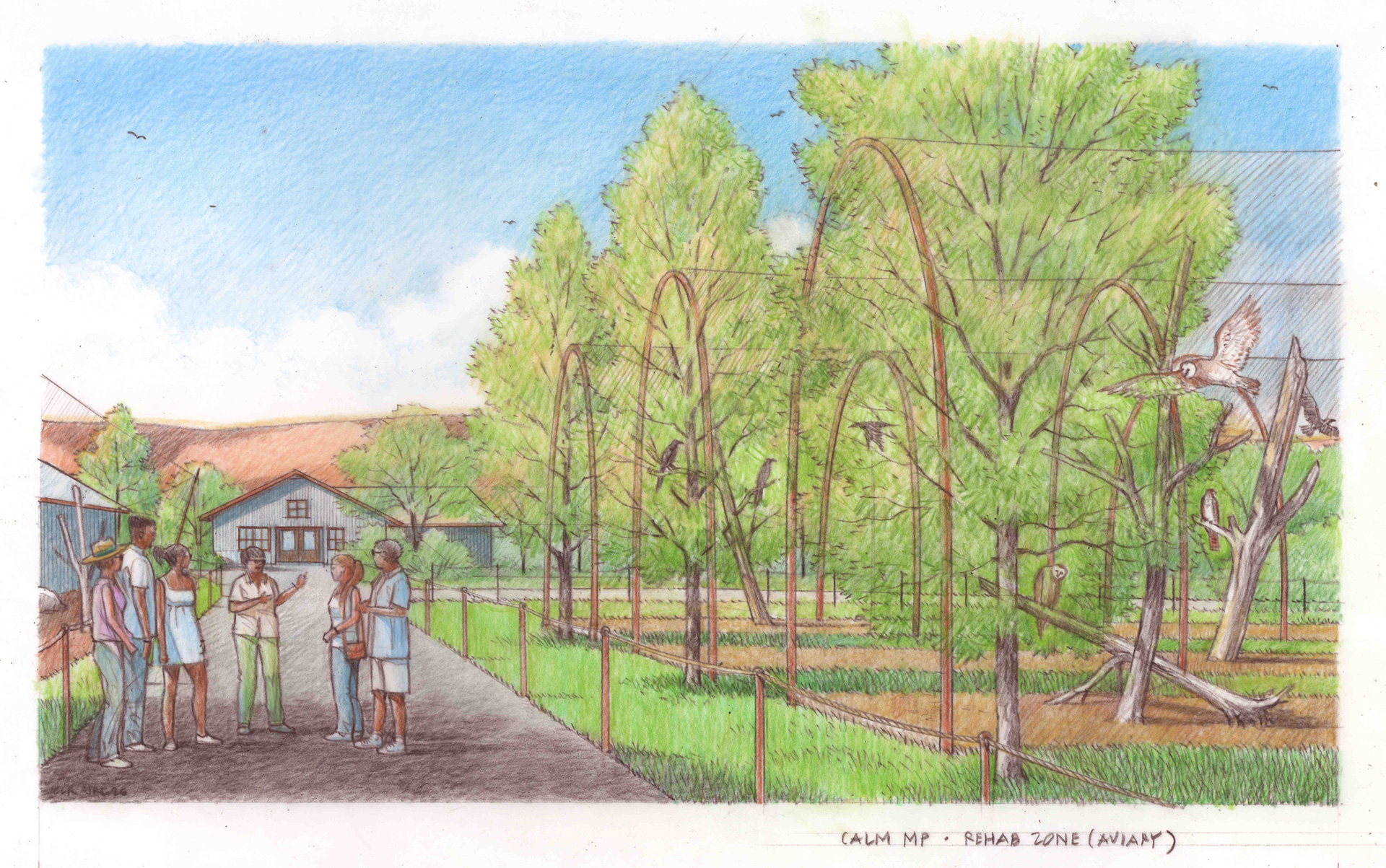
Three full-scale aviaries will give recovering birds space to rebuild strength and prepare for release.
Large outdoor areas designed to support the rehabilitation and recovery of native mammals.
Dedicated outdoor yard space designed around the needs of birds receiving care at CALM Zoo.
A two-story facility supporting animal food preparation, operations, and intern housing.
See the Vision
See how the planned Rehabilitation & Animal Operations Hub will create dedicated spaces for wildlife rehabilitation, animal care, and the day-to-day operations that support CALM Zoo’s mission.
Conceptual Plan
The conceptual plan illustrates how rehabilitation facilities, animal-care operations, recovery spaces, and visitor education can work together within the new hub.
Wildlife Rehabilitation
Wild animals may arrive at CALM Zoo because of injury, illness, orphaning, or human-related impacts. Rehabilitation can require days, weeks, or months of specialized care depending on the animal and the circumstances.
The Big Picture
The time and resources needed to rehabilitate wildlife vary by species, severity of injury, length of stay, nutritional needs, and level of veterinary intervention.
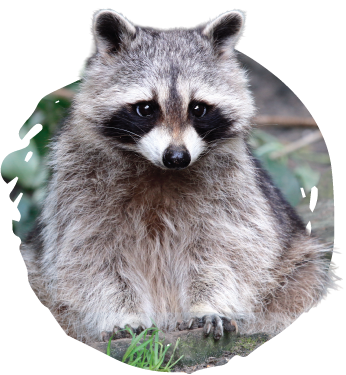
Squirrels, raccoons, doves, and similar species
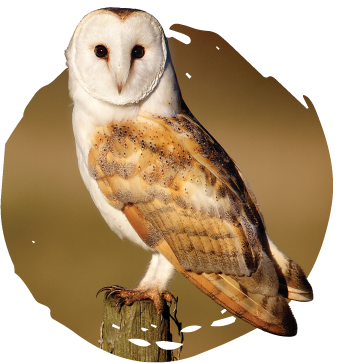
Hawks, owls, foxes, and similar species
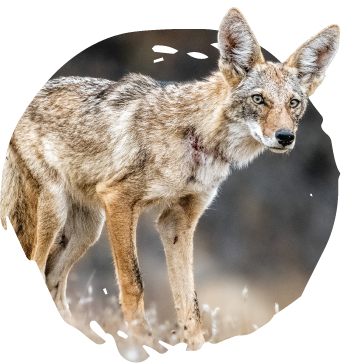
Coyotes, bobcats, and similar species
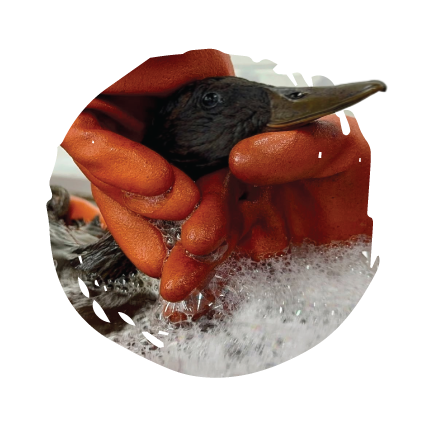
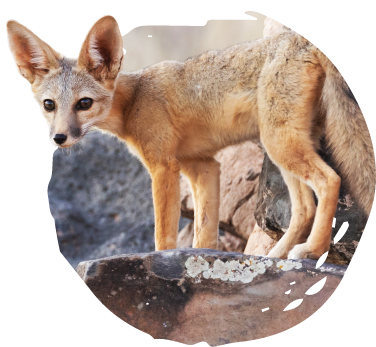
Endangered species
Experience CALM
CALM Zoo exists to forge a connection and appreciation between our community and the California ecosystem through education, guest experiences and conservation.